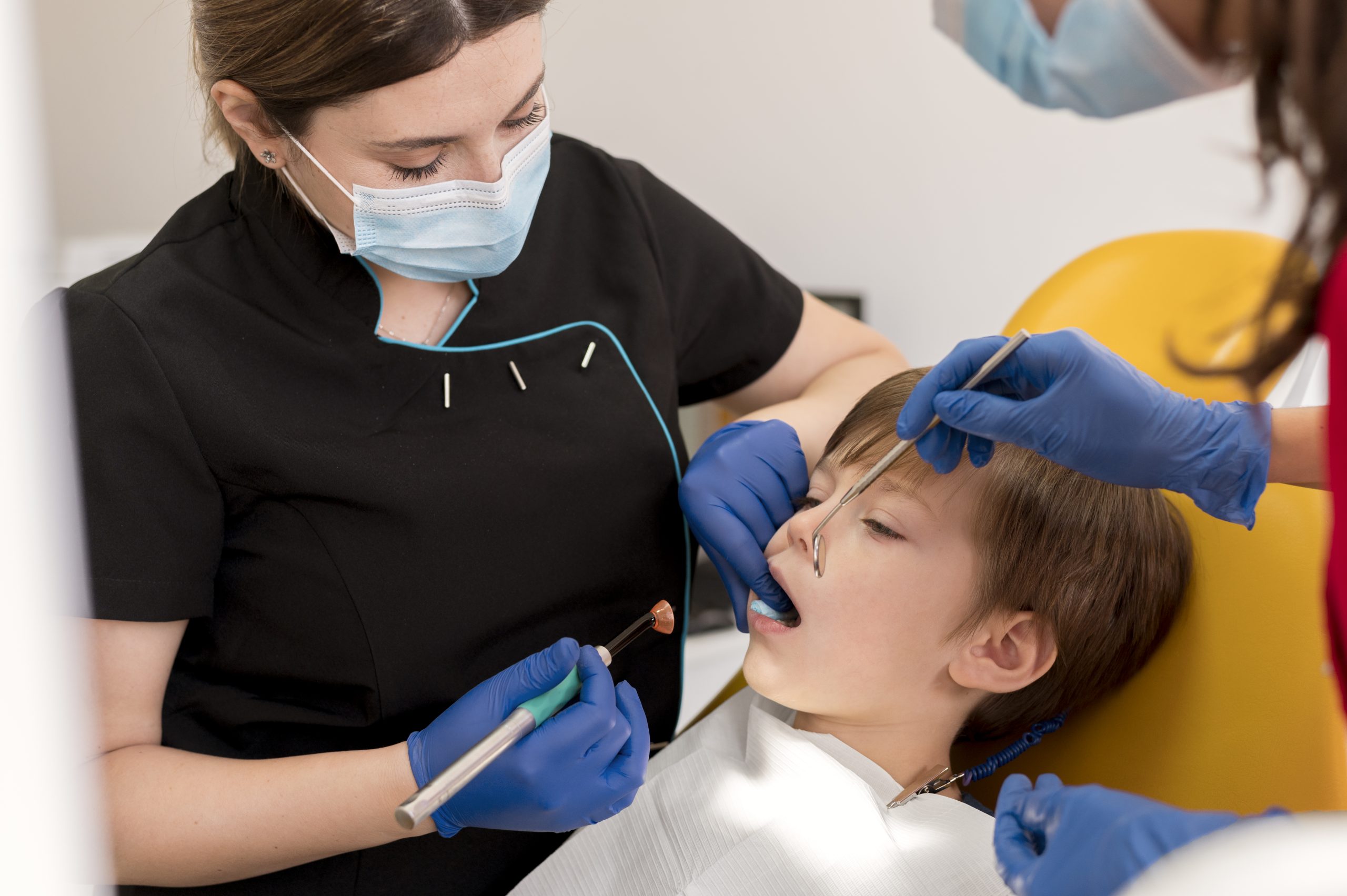
Are dental procedures safe under general anesthesia for young children? Many parents worry about this. A pediatric dentist in Airdrie can check your child’s oral health and decide if anesthesia is the best choice for a safe and effective visit. General anesthesia is often recommended for children with extensive dental work, high anxiety, or difficulty staying calm during treatment.
Understanding how anesthesia works, the precautions involved, and the benefits for children can help parents make confident decisions. With professional care, anesthesia allows dentists to perform multiple procedures in one visit while keeping your child pain-free and comfortable.
What General Anesthesia Involves for Children
General anesthesia for kids near you is designed to make your child completely asleep during dental treatment. This ensures they experience no pain and remain calm. Children can have multiple cavities, complex restorations, or other dental issues addressed in a single appointment, which reduces stress and prevents repeated visits.
Key points about the procedure include:
- Children are closely monitored for heart rate, oxygen levels, and blood pressure.
- An anesthesiologist or trained dental professional administers and adjusts anesthesia as needed.
- Recovery is monitored in a safe, controlled environment to ensure a smooth awakening.
Using anesthesia in this controlled way ensures that even extensive dental work can be completed safely and effectively.
Risks and Safety Measures
While general anesthesia is generally safe, it is natural for parents to be concerned about the risks of general anesthesia in children. Serious complications are very rare, but understanding potential risks is important:
- Small side effects: Feeling very sleepy, a little sick, or cranky after waking up.
- Rare problems: Trouble breathing or an allergic reaction.
- Safety steps: The dentist checks your child before the procedure, tells you when they should not eat, and watches them carefully during the treatment.
Children with health issues may need extra care, but trained dental teams follow strict safety rules and use special tools to keep them safe.
When General Anesthesia Is Recommended
General anesthesia is typically suggested for children who:
- Require multiple treatments in one session.
- Experience severe dental anxiety.
- Cannot cooperate with routine procedures despite support
- Need extensive restorative care, such as fillings, crowns, or extractions.
Using anesthesia can prevent traumatic experiences and ensure children receive necessary treatment comfortably and safely.
How Children Recover After General Anesthesia
Taking care of your child after dental treatment with general anesthesia is very important. Parents can expect:
- Your child will be watched until fully awake.
- They may feel sleepy or tired for a few hours.
- The dentist will tell you what your child can eat, how to brush, and what to avoid.
- If you see anything unusual, tell the dental team right away.
With proper care, children can safely return to normal activities and have healthier teeth.
How to Choose a Pediatric Dental Clinic
Picking a trusted pediatric dental clinic near you makes sure dental care
and anesthesia are safe and effective. Look for clinics that have:
- Experienced pediatric dentists trained in using anesthesia.
- Modern equipment and kid-friendly spaces
- Good reviews and a safe reputation
- Clear emergency plans
Choosing a clinic with skilled staff, a comfortable environment, and careful monitoring helps make your child’s dental visit a positive experience.
Benefits of Using Anesthesia for Children
Using anesthesia in pediatric dental care offers several advantages:
- Allows multiple treatments in one session, reducing repeated visits
- Minimizes stress, fear, and anxiety
- Ensures precise and effective dental work
- Provides a safe, monitored environment for children with special needs or complex cases
Anesthesia helps children cooperate naturally and prevents traumatic experiences that could affect future dental visits.
Give Your Child a Calm and Confident Dental Experience!
Your child can enjoy safe, expert, and gentle dental care along with anesthesia options, customized treatment plans, and an untroubled experience. With expert guidance and due vigilance, these will lead to healthy teeth and a bright smile. Schedule a meeting today for a comfortable and pleasant experience at Toothpals Pediatric Dentistry.
FAQs
How long is a child under anesthesia?
It depends on the procedure, but usually it lasts from 30 minutes to a few hours. The dental team watches the child closely the whole time.
Can children eat before anesthesia?
No. Kids usually must not eat or drink for a few hours before the procedure. This keeps them safe during anesthesia.
What side effects can happen after anesthesia?
Children might feel sleepy, tired, or a little sick for a few hours. These usually go away with rest and drinking fluids.
Do kids need check-ups after anesthesia?
Yes. Follow-up visits help the dentist see that the mouth is healing and keep the teeth healthy.