
A lip tie can cause problems for babies and young children. If your child has difficulty feeding, speech problems, or gum issues, lip tie release in Airdrie might be the solution. Many parents do not even know what a lip tie is or how it affects their child.
Understanding this condition helps you recognize signs early and get your child the help they need. This guide explains everything parents should know about lip ties and their treatment.
What Is a Lip Tie?
A lip tie is a tight piece of tissue connecting your child’s upper lip to their upper gum. All babies have this tissue, but in some children, it is too tight.
This tight tissue restricts how much the lip can move. It causes problems with feeding, speech, and oral health.
A lip tie is different from a tongue tie, though children sometimes have both at the same time.
Signs Your Child Has a Lip Tie
Many parents do not notice a lip tie until problems develop.
Babies with lip ties often have trouble nursing. They cannot latch properly. Breastfeeding becomes painful for the mother.
Bottle feeding is also difficult. Your baby might struggle to seal their mouth around the nipple.
As your child grows, speech problems develop. They might have trouble pronouncing certain sounds.
Gum recession can happen because the lip tie pulls on the gum tissue. Food gets trapped in spaces created by the tie.
At a pediatric dentist in Airdrie, your dentist can examine your child and identify a lip tie.
Benefits of Lip Tie Release
The benefits of lip tie release are significant and life-changing for many families.
Breastfeeding becomes easier and pain-free. Your baby can latch properly and feed efficiently.
Speech improves. Your child pronounces sounds correctly as they grow.
Gum health improves. The gum tissue can reattach properly without the pull of a tight lip tie.
Oral hygiene becomes easier. Your child can clean their teeth properly without food trapping.
Feeding becomes normal. Your child eats all types of food without difficulty.
The Lip Tie Release Procedure
The procedure to release a lip tie is quick and simple.
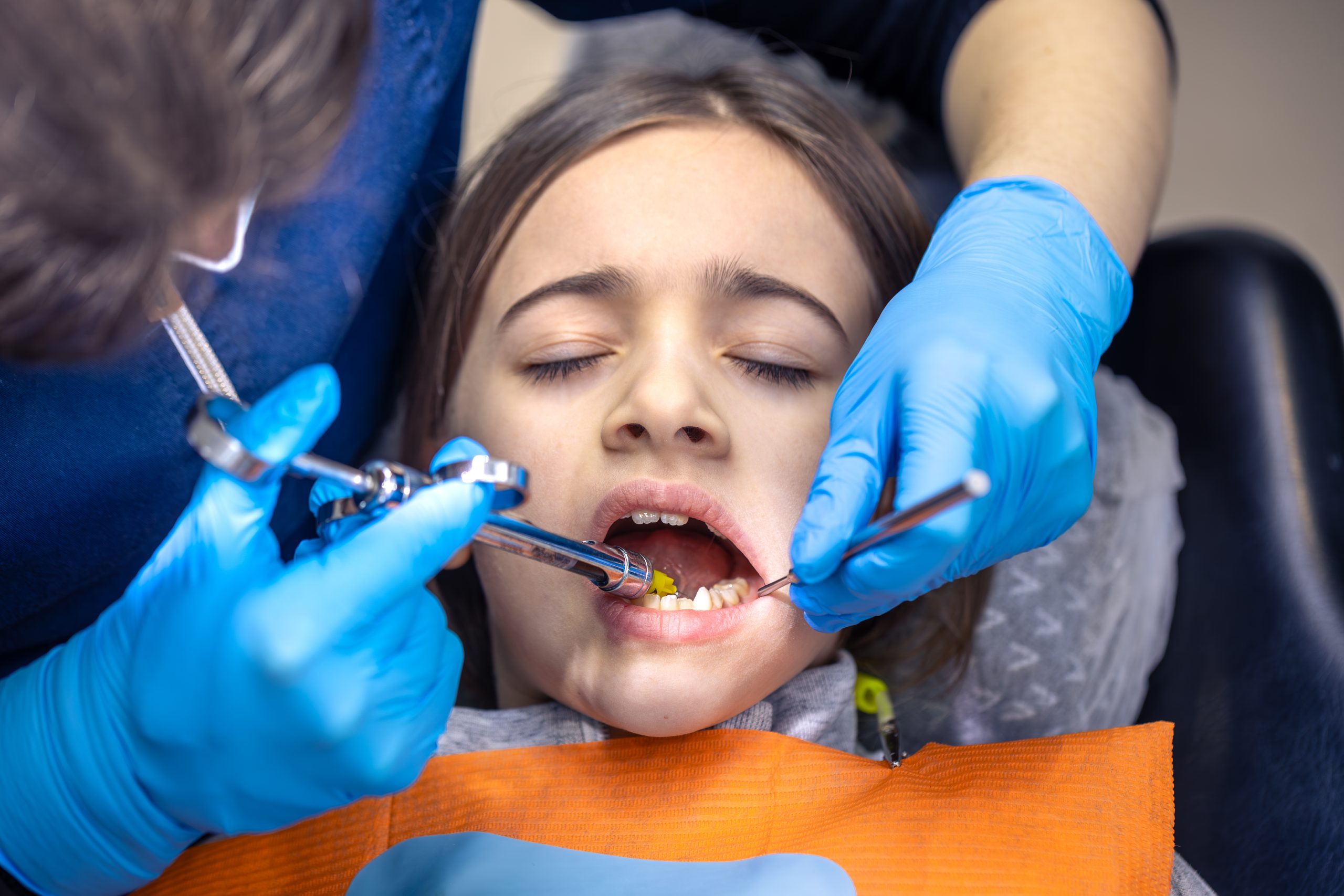
Your dentist numbs the area with a topical anesthetic. Your child feels no pain during the procedure.
Your dentist uses a small surgical instrument to cut the tight tissue. The procedure takes just a few minutes.
Bleeding is minimal. Your child goes home the same day. The cut heals naturally within one to two weeks. No stitches are needed.
Recovery After Lip Tie Release
Recovery is straightforward and quick.
Your child might feel slight soreness for a day or two. Pain medicine can help if needed.
Soft foods are recommended for the first few days while the area heals.
Your dentist gives you specific aftercare instructions to follow at home.
Most children return to normal activities within days.
When Should Treatment Happen?
The best time for lip tie release depends on your child’s age and symptoms.
For breastfeeding babies, earlier treatment is better. If feeding is difficult, treatment can happen within weeks of birth.
For older children with speech or gum problems, treatment can happen anytime it is needed.
Your dentist assesses your child and recommends the best timing.
Long-Term Results
After treatment, your child enjoys normal feeding and speech development.
Problems that existed before treatment improve significantly. Your child catches up with peers in speech and development.
Gum health improves. Gum recession stops, and gum tissue heals.
Your child maintains better oral health because cleaning becomes possible.
Your Child Deserves the Best Start
A lip tie is a treatable condition. Early detection and treatment prevent many problems.
At Toothpals Pediatric Dentistry, our compassionate team specializes in treating lip ties and other pediatric dental conditions. We make your child feel safe and comfortable throughout the process. Book your child’s lip tie evaluation with us today and give your child the healthy start they deserve.
Frequently Asked Questions
Q1. Is a lip tie release procedure painful for my child?
No — the area is numbed before the procedure. Your child feels no pain during treatment, though they might feel slight pressure.
Q2. Can a lip tie release affect my child’s appearance?
No, the procedure does not change how your child looks. It simply releases tight tissue that was restricting movement.
Q3. Do babies need lip tie release right away?
If breastfeeding is difficult, early treatment helps. If feeding is going well, treatment can wait. Your dentist advises based on your situation.
Q4. Will the lip tie grow back after release?
Rarely, once released, the tissue stays open. Your child rarely needs the procedure repeated.
Q5. How do I know if my child has a lip tie?
Look for difficulty feeding, drooling more than normal, or gum recession. Your pediatric dentist can examine your child and confirm if a lip tie is present.