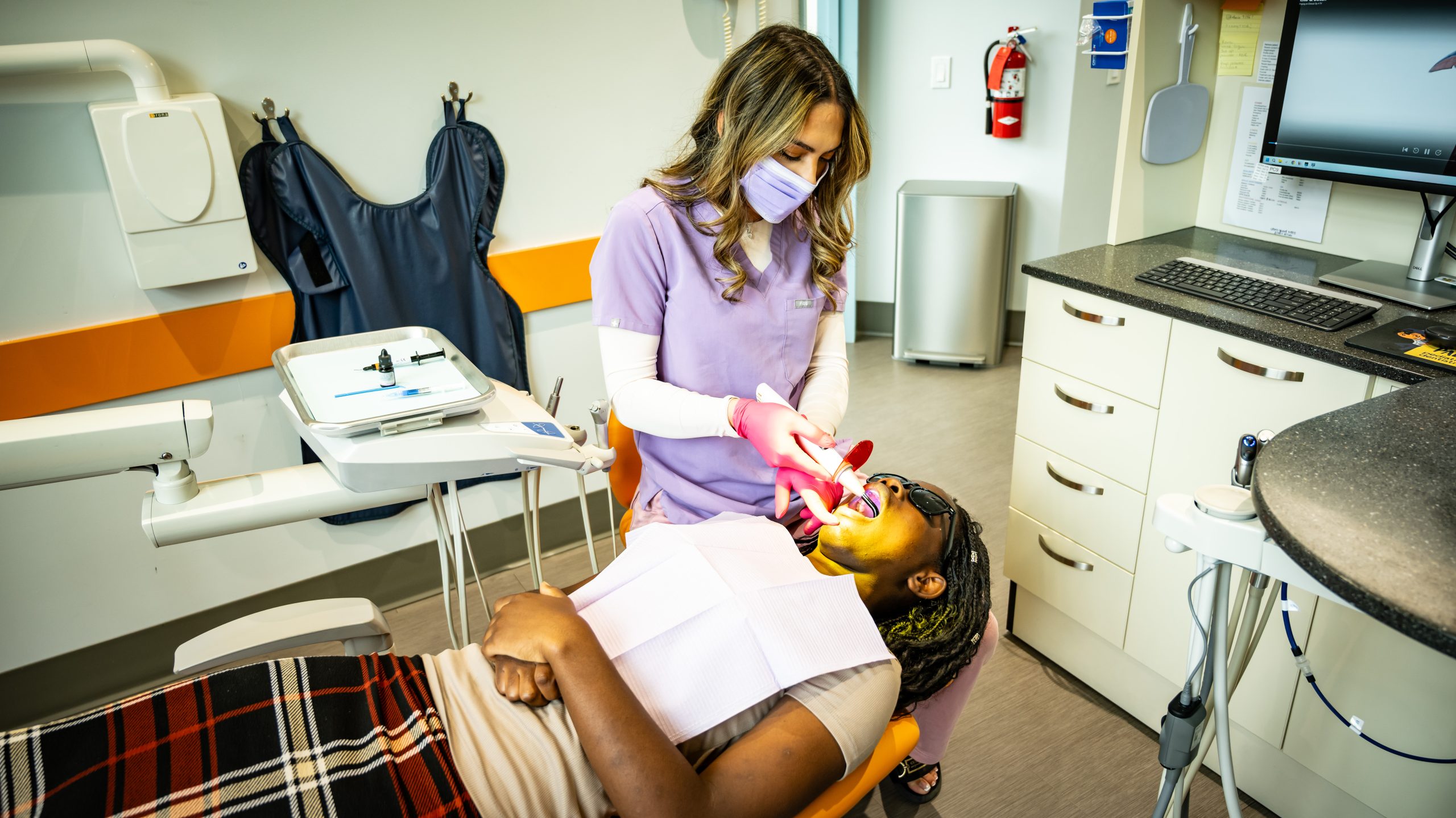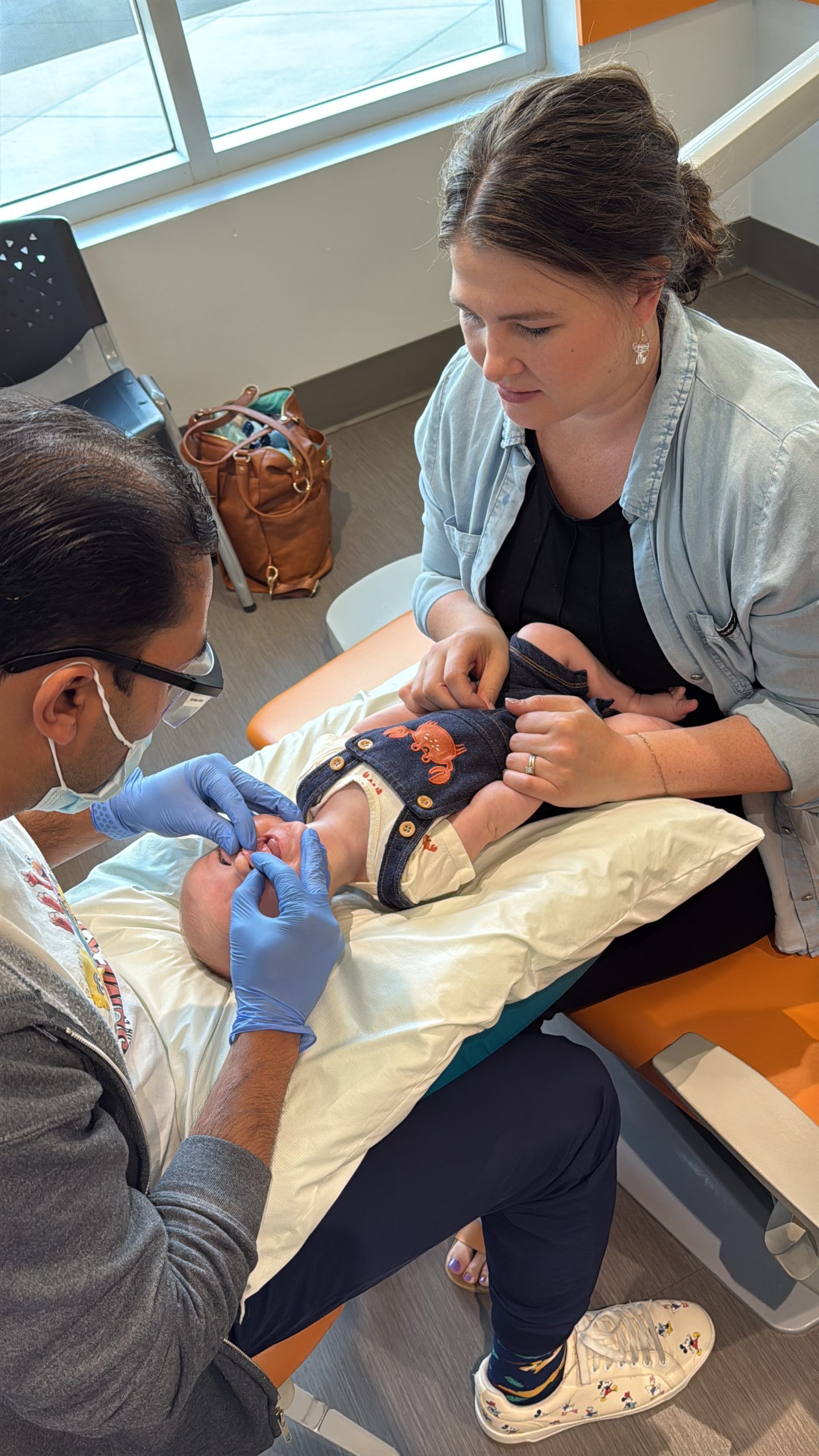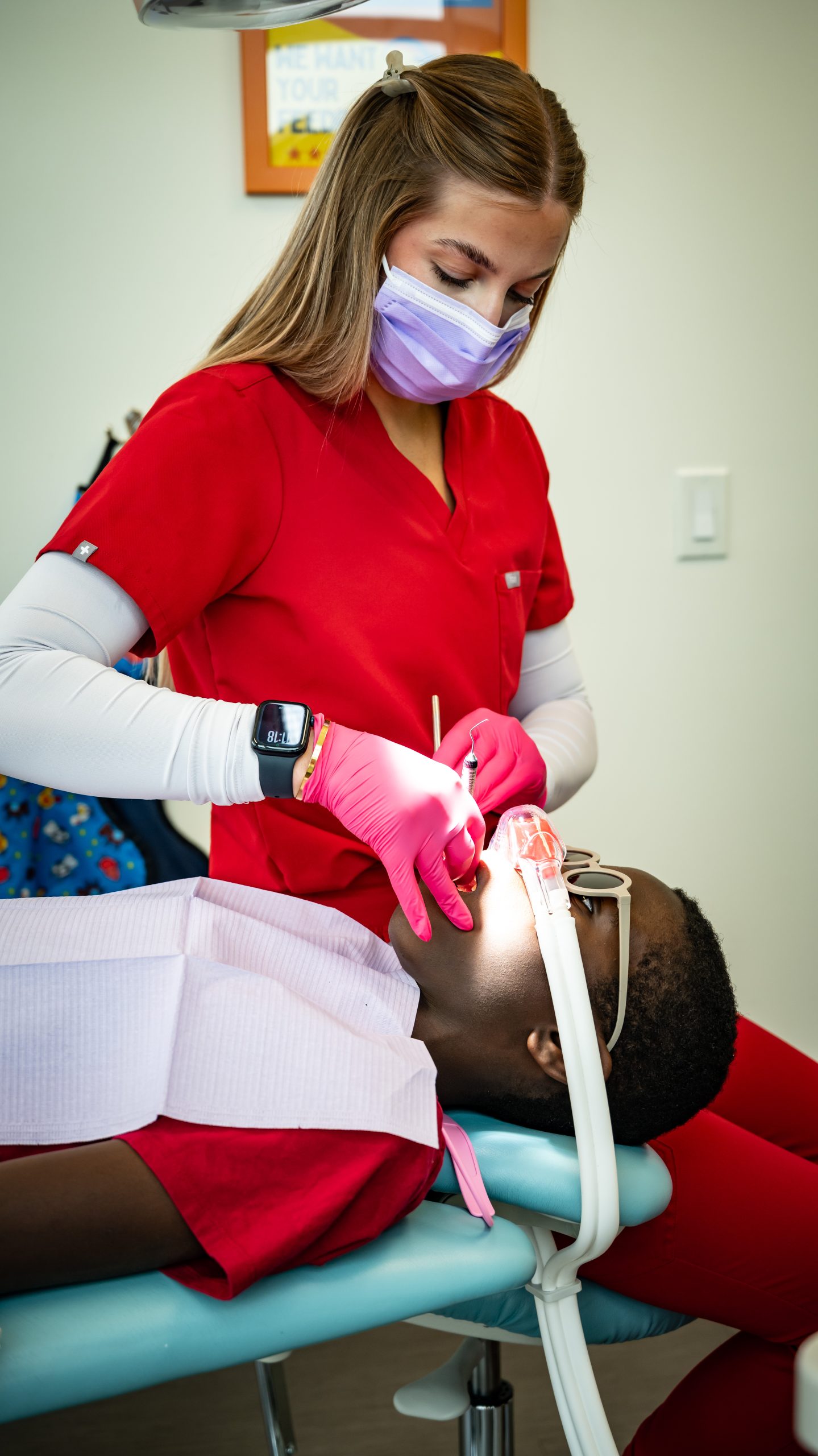
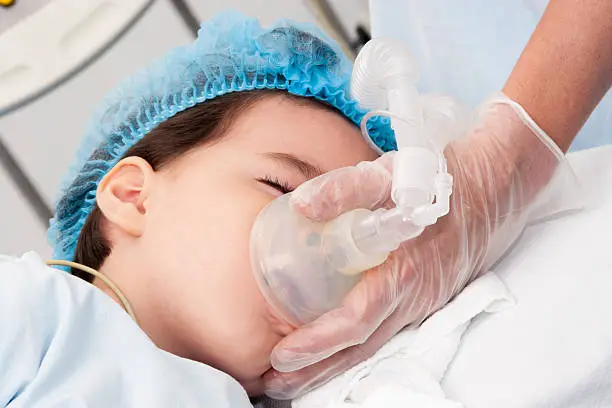
Some children can complete dental treatment with regular communication, local numbing, or lighter forms of sedation. However, certain situations may require a deeper level of care. General anesthesia for children in Airdrie may be considered when a child is unable to cooperate, has extensive dental treatment needs, or needs care that cannot be completed safely while awake.
Under general anesthesia, the child is unconscious during the procedure and requires careful monitoring by trained professionals. The decision is not based on age alone. A child’s health, emotional development, dental needs, treatment length, and other options are considered before general anesthesia is recommended.
When Might General Anesthesia Be Needed?
For some children, general anesthesia for children near you may be discussed when other approaches are not suitable or are unlikely to allow the needed dental care to be completed safely.
It may be considered when a child:
- Is too young or not developmentally ready to cooperate
- Has severe dental fear or anxiety
- Has certain physical, medical, or developmental conditions that make cooperation difficult
- Needs a large amount of dental treatment
- Requires significant dental surgery
- Needs urgent or comprehensive dental care
The decision should consider the child’s dental needs, health, development, and available alternatives.
How Is General Anesthesia Different From Sedation?
Sedation and general anesthesia are not the same. With some forms of sedation, a child may remain awake and able to respond to instructions. General anesthesia produces unconsciousness, so the child does not remain aware of the dental treatment.
A children’s dentist near you can explain which level of care may be appropriate based on the planned treatment and the child’s needs. General anesthesia is not normally used simply for convenience when a healthy, cooperative child has minimal dental needs.
What Happens Before General Anesthesia?
Before general anesthesia for children in Airdrie, a careful health review is needed. The dental and anesthesia team may ask about medical conditions, medications, allergies, previous experiences with anesthesia, and recent illness.
Parents may also receive instructions about:
- When the child should stop eating or drinking
- Which medications should or should not be taken
- What to bring on the day of treatment
- How the child should be supervised after the procedure
- When normal activities can be resumed
Following the instructions carefully is important for the child’s safety.
How Is a Child Monitored During Treatment?
During general anesthesia, the child is continuously monitored by trained professionals. The team monitors key bodily functions throughout the procedure and has equipment available to manage the child’s airway and respond to emergencies.
Monitoring may include checking:
- Breathing
- Oxygen levels
- Heart rate
- Blood pressure
- Level of consciousness
The exact monitoring and equipment used depend on the treatment setting and the child’s needs. Appropriate staff, monitoring equipment, emergency supplies, and a suitable recovery area are important parts of safe pediatric anesthesia care.
What Happens After the Procedure?
After a child’s treatment under general anesthesia at the dentist in Airdrie, the child is moved to a recovery area where trained staff continue to monitor them. The child needs to recover to an appropriate level of alertness before being discharged from medical supervision.
Temporary effects may include:
- Sleepiness
- Feeling tired or unsettled
- Mild nausea
- A sore throat in some cases
- Temporary changes in appetite
The dental or anesthesia team provides specific instructions for eating, drinking, medicines, activity, and supervision at home.
Is General Anesthesia Safe for Children?
General anesthesia can involve risks, so it should only be considered after the child’s health and treatment needs have been assessed. The decision involves weighing the expected benefits against potential risks and considering other ways to provide the required dental care.
A children’s dentist in Airdrie can discuss the reason for recommending general anesthesia, possible alternatives, and what parents should expect before, during, and after treatment. A pre-treatment health assessment is an important part of planning.
Understand Your Child’s Anesthesia Options!
Every child has different dental needs, so the right approach depends on the treatment required, the child’s health, and how well they can manage care while awake. Tooth Pals Pediatric Dentistry Airdrie can evaluate your child’s needs, explain when general anesthesia may be considered, and review other options when appropriate. Book an appointment to discuss your child’s care and understand how the treatment can be planned from preparation through recovery.
FAQs
When is general anesthesia used instead of sedation?
General anesthesia may be used when a child cannot stay calm or still enough for dental treatment, needs a lot of dental work, or has other needs that make sedation less suitable. The dentist will consider the child’s health and treatment needs before making a decision.
Is general anesthesia safe for young children?
General anesthesia has some risks and is not right for every child. The child’s age, health, dental needs, and other treatment options are checked first. Careful monitoring by trained professionals is important during treatment.
How is my child monitored during general anesthesia?
Trained professionals monitor the child throughout the procedure and recovery. They check important signs such as breathing, oxygen levels, heart rate, and blood pressure. Equipment is also available to support the child if needed.
What should I expect during recovery after the procedure?
A child may feel sleepy, tired, or unsettled after general anesthesia. Mild nausea or a sore throat may also occur. The child is monitored until it is safe to go home, and parents receive instructions for care during recovery.