
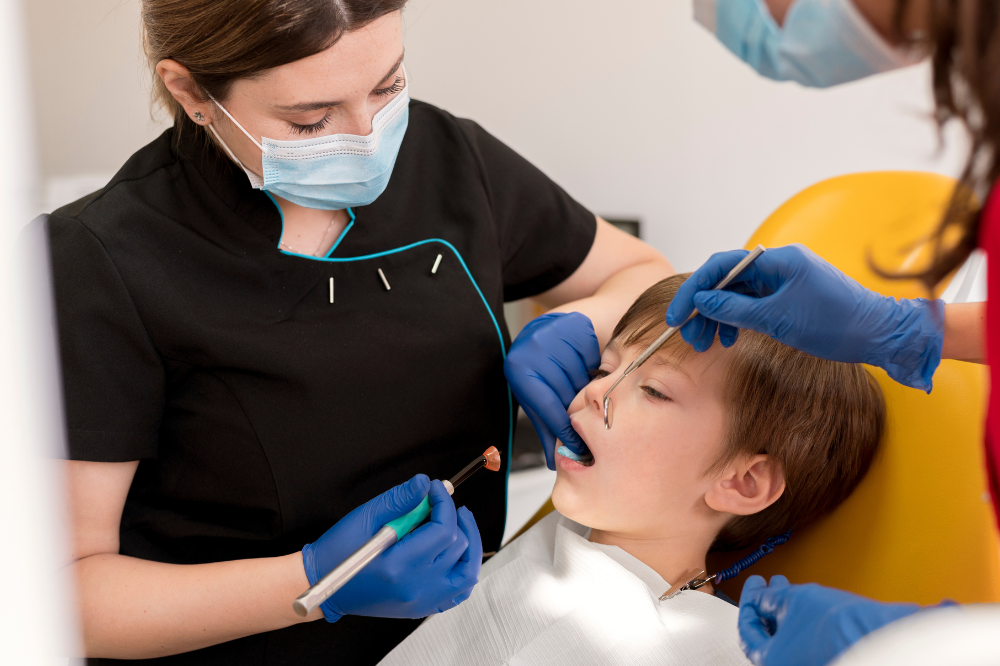
General anesthesia is a medicine that puts your child into a very deep sleep so they do not feel pain or remember their dental procedure. Most children wake up feeling a bit sleepy or dizzy. While serious complications are very rare, it is normal for kids to experience mild, temporary side effects as the medicine wears off. These effects usually disappear within a few hours or a single day.
What Happens Right After the Procedure?
When your child first wakes up, they might feel a little confused or groggy. It is very common for children to feel slightly nauseated or even vomit once or twice after the medicine. If you are looking for kids dentistry in Airdrie, you will find that dental teams are specially trained to monitor your child closely during this recovery phase to ensure they are safe and comfortable.
Another common side effect is a sore throat. This happens because a small tube is often used to help your child breathe while they are asleep. The soreness is usually mild and feels like a scratchy throat that goes away with sips of water or soft foods. Families searching for general anesthesia for kids near you can rest easy knowing that these minor comforts are a standard part of the healing process.
Understanding Behavioural Changes and Mood
In some cases, kids wake up feeling quite the opposite of calm; they may be quite mad, crying, or thrashing. It is a common phenomenon dubbed “postoperative agitation in kids”. Your child is not in pain or angry; it’s simply a physical reaction while the anesthesia is wearing off in their system. The child will be fully alert by the end of this phase, lasting for about 30 to 45 minutes.
Common Temporary Side Effects
- Sleepiness: Your child may want to nap for several hours after returning home.
- Dizziness: They might feel “wobbly” on their feet, so they need help walking.
- Chills: Some children shiver or feel cold as their body temperature regulates.
- Mild Nausea: It is best to start with clear liquids before moving to solid food.
When looking for kids’ dentistry near you, it is helpful to ask the team about their specific recovery protocols. Most clinics will provide a quiet space for your child to wake up at their own pace while a professional keeps a watchful eye on their vitals.
At-Home Care and Monitoring
Once you leave the clinic, the most important thing is rest. Keep your child’s activity light for the remainder of the day. Avoid physical play, bike riding, or swimming until the next day. Hydration is key, so encourage small, frequent sips of water, apple juice, or an electrolyte drink to help their body process the remaining medicine.
If your child experiences a bit of “muscle soreness,” do not worry. This can happen depending on the type of medication used. A warm blanket and a quiet movie are usually the best “medicines” for the first few hours at home. Most children are back to their bubbly, energetic selves by the next morning.
Helping Your Child Feel Brave
At Toothpals Pediatric Dentistry, we understand that any medical procedure can feel overwhelming for both parents and children. The purpose of our philosophy is to help your child feel comfortable with us and develop a spirit of inquiry. We explain everything to you every step of the way so that you have complete confidence in the care given to your child.
At our clinic, your child’s comfort and safety are our top priority. We look forward to helping your child to keep a bright and healthy smile.
Frequently Asked Questions
How long does it take for the anesthesia to wear off?
Most children begin to wake up within 15 to 30 minutes after the procedure is finished. However, they may remain sleepy or slightly “clumsy” for about 4 to 6 hours after the appointment.
When can my child eat a normal meal?
You should start with “clear liquids” like water or ginger ale. If they handle those well for an hour, move to soft foods like yogurt, applesauce, or Jell-O. You can return to a regular diet once they feel fully hungry and are not nauseous.
Is it normal for my child to be extra cranky?
Yes. The medicine can make children feel “out of sorts.” It is very normal for them to be fussy or emotional for a few hours. This is temporary and usually resolves after a good nap.
Should I be worried if my child has a slight fever?
A very low-grade fever is a common response to the stress of surgery and anesthesia. Usually, plenty of fluids and rest will resolve this. However, if the fever becomes high, you should contact your dental provider for advice.